

The Hidden Dangers of Processed Dog Food
Dogs, like humans, thrive on a natural and balanced diet. However, the pet food industry has conditioned owners to believe that kibble and canned food provide complete nutrition. The reality is that these highly processed foods come with significant health risks, many of which are backed by scientific research.

Decline in Dog Life Expectancy Due to Processed Food
Did Dogs Live Longer Before Kibble?
Historical records and veterinary studies suggest that dogs generally had longer lifespans and fewer chronic diseases before the rise of processed dog food (kibble and canned food).
Pre-Kibble Era (Before 1950s)
- Dogs were typically fed home-prepared meals, raw meats, bones, organ meats, and table scraps.
- Average lifespan: 14-17 years (based on anecdotal records and early veterinary reports).
- Cancer and chronic illnesses were rarely documented in historical records.
Post-Kibble Era (1950s-Present)
- The pet food industry heavily promoted kibble and canned food as "complete nutrition."
- Average lifespan: 10-13 years (depends on breed, but has declined overall).
- Rise in diseases: Cancer, diabetes, kidney disease, obesity, and allergies have all significantly increased.
Supporting Research
- A 2003 study published in Veterinary and Comparative Oncology found that dogs fed a diet rich in fresh, whole foods lived up to 3 years longer than dogs on commercial kibble.
- A study from Journal of Animal Physiology and Animal Nutrition (2017) showed that raw-fed dogs had lower markers of inflammation, better digestion, and improved immune health.
- The increase in cancer rates in dogs correlates with the widespread adoption of ultra-processed pet foods. 1 in 3 dogs now develops cancer, making it the leading cause of death in dogs over 10 years old (AVMA, 2023).
High in Carbohydrates & Low in Meat-Based Protein
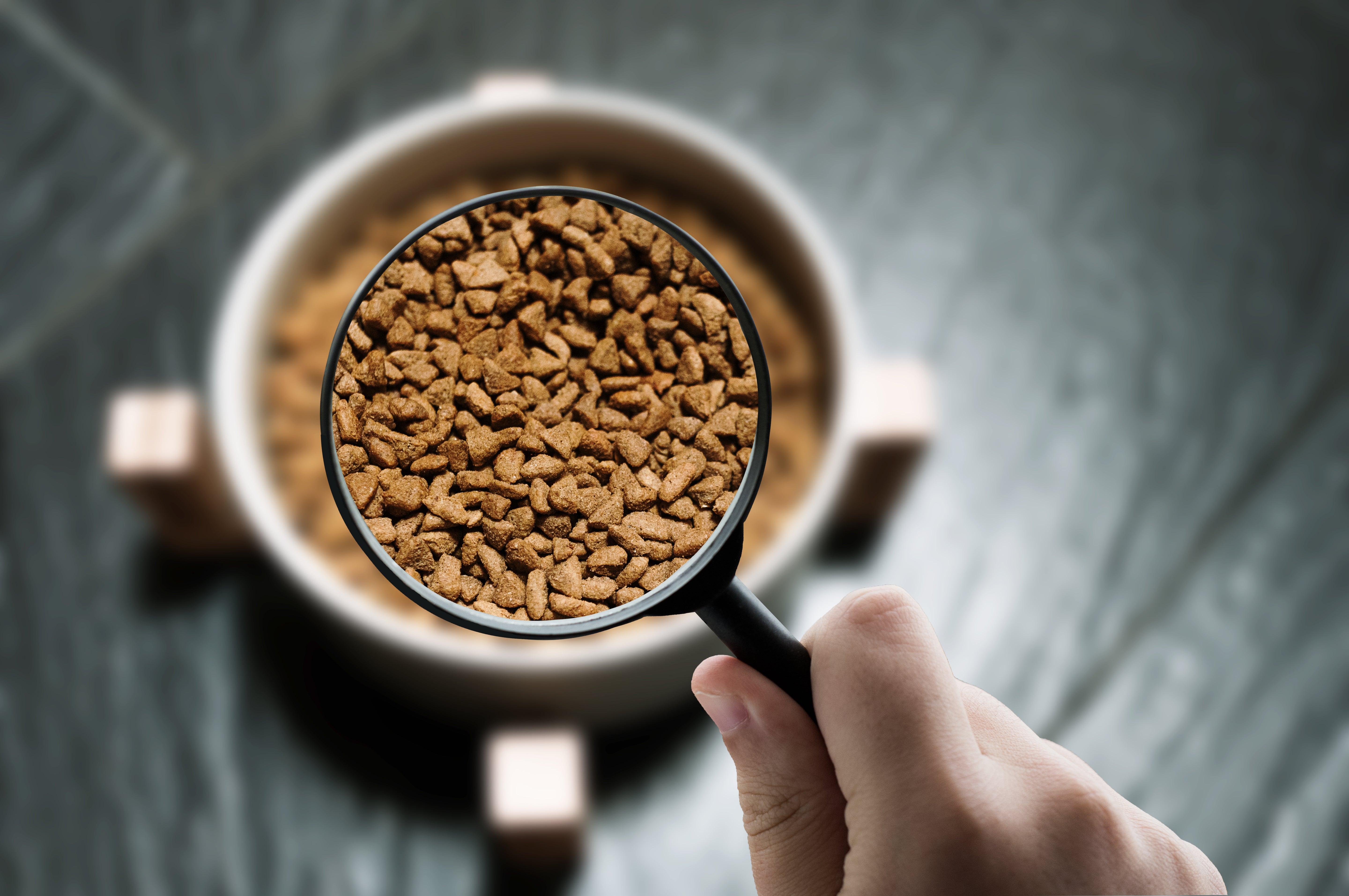
Dogs are facultative carnivores, meaning they thrive on a meat-rich diet but can tolerate some plant-based foods. However, most kibbles contain 40-60% carbohydrates, far exceeding the 14% maximum carbohydrate level recommended for dogs (Zuo et al., 2021). Excessive carbs contribute to:
- Obesity: 56% of dogs in the U.S. are overweight or obese (Association for Pet Obesity Prevention, 2022).
- Diabetes: High-carb diets cause insulin resistance, leading to Type 2 diabetes, a condition that has increased in dogs by 79.7% since 2006 (Banfield Pet Hospital, 2022).

Increased Risk of Chronic Diseases
Cancer Rates and Ultra-Processed Foods
- The rise in canine cancer is alarming. 1 in 3 dogs will develop cancer, making it the leading cause of death in dogs over 10 years old (American Veterinary Medical Association, 2023).
- A 2022 study in the Journal of Animal Science linked ultra-processed dog foods to a significant increase in oxidative stress and inflammation, leading to conditions like cancer, arthritis, and kidney disease.
Kidney and Liver Disease
- High phosphorus and low moisture content in kibble overburdens the kidneys, contributing to chronic kidney disease (CKD), which affects 10% of dogs over age 10 (International Renal Interest Society, 2021).
- Many commercial dog foods contain rendered meats from diseased or euthanized animals, often contaminated with pentobarbital, a euthanasia drug (FDA, 2019).
Highly Processed and Low-Quality Ingredients
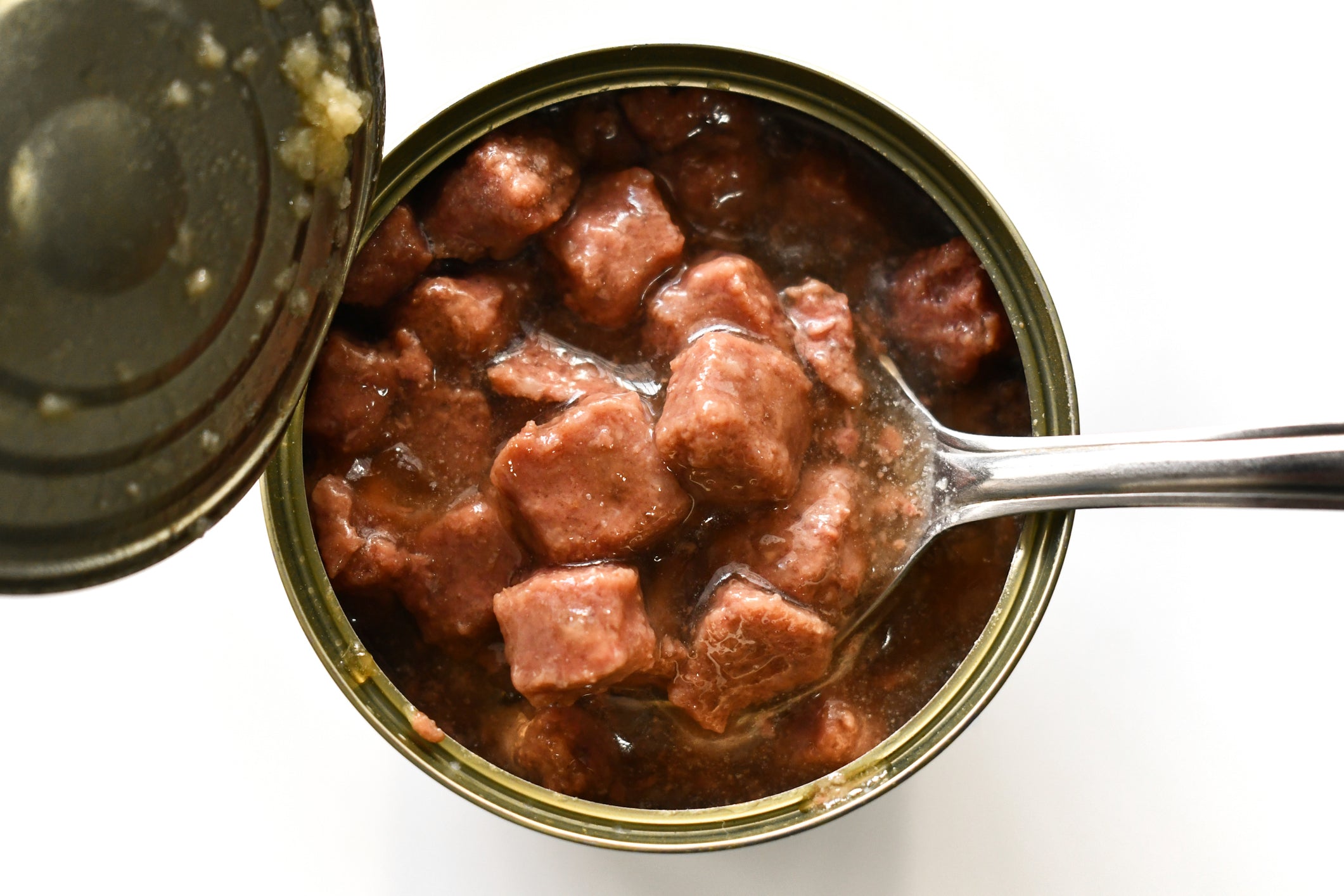
Processed dog food, especially kibble and canned food, undergoes extensive heat treatments that degrade the nutritional content of the original ingredients. A study by the National Research Council (NRC) found that heat processing destroys essential nutrients such as vitamin B1 (thiamine), vitamin C, and amino acids vital for canine health.
Use of Fillers and Artificial Additives
- Many commercial dog foods contain fillers like cellulose, wheat, and soy, which have little to no nutritional value for dogs.
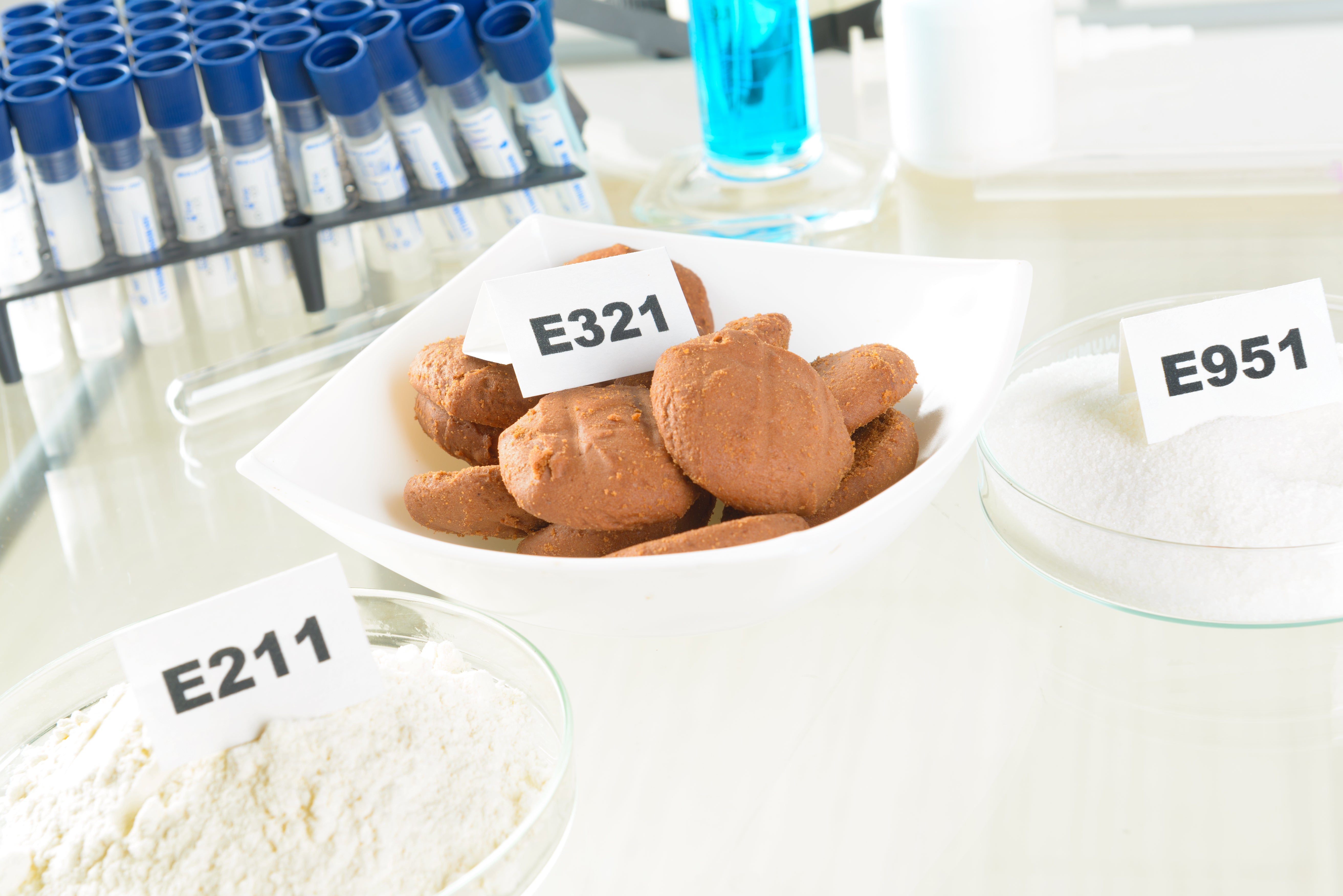
- Artificial colors, flavors, and preservatives (e.g., BHA, BHT, ethoxyquin) have been linked to cancer and organ damage in both dogs and humans (Association for Truth in Pet Food, 2021).
Harmful Preservatives and Contaminants
Presence of Mycotoxins and Bacteria
- A 2018 study published in Frontiers in Veterinary Science found that over 80% of tested commercial pet foods contained mycotoxins, which are toxins produced by mold and have been linked to liver and kidney disease.
- Kibble storage conditions often lead to contamination with Salmonella, Listeria, and E. coli, putting both pets and their owners at risk (FDA Pet Food Safety Report, 2021).
Toxic Heavy Metals
- A 2020 report by Clean Label Project found that over 60% of dry dog foods contained concerning levels of heavy metals like arsenic, lead, and mercury, all of which are known to cause neurological and organ damage in pets.

Conclusion and References
Conclusion: A Fresh, Whole-Food Diet is Best for Dogs
Instead of feeding dogs processed kibble or canned food, a diet of fresh, whole ingredients—such as raw or gently cooked meats, vegetables, and essential fats—has been shown to improve lifespan, reduce chronic diseases, and support overall well-being.
References:
- National Research Council (NRC)
- Association for Truth in Pet Food, 2021
- Zuo et al., 2021
- Association for Pet Obesity Prevention, 2022
- Banfield Pet Hospital, 2022
- Frontiers in Veterinary Science, 2018
- FDA Pet Food Safety Report, 2021
- Clean Label Project, 2020
- American Veterinary Medical Association, 2023
- Journal of Animal Science, 2022
- International Renal Interest Society, 2021
- FDA, 2019
- Veterinary and Comparative Oncology, 2003
- Journal of Animal Physiology and Animal Nutrition, 2017
- American Journal of Veterinary Research, 2021
- AAFCO Pet Food Guidelines, 2021
- University of California, 2021
of commercial pet foods contain mycotoxins, harmful mold-based toxins linked to liver and kidney disease. (Frontiers in Veterinary Science, 2018)
dogs on fresh, whole-food diets outlived those fed commercial kibble. (Veterinary and Comparative Oncology, 2003)
of dry dog foods contain toxic heavy metals linked to organ and neurological damage. (Clean Label Project, 2020)
of U.S. dogs are overweight or obese, largely due to high-carb processed diets like kibble. (Association for Pet Obesity Prevention, 2022)