
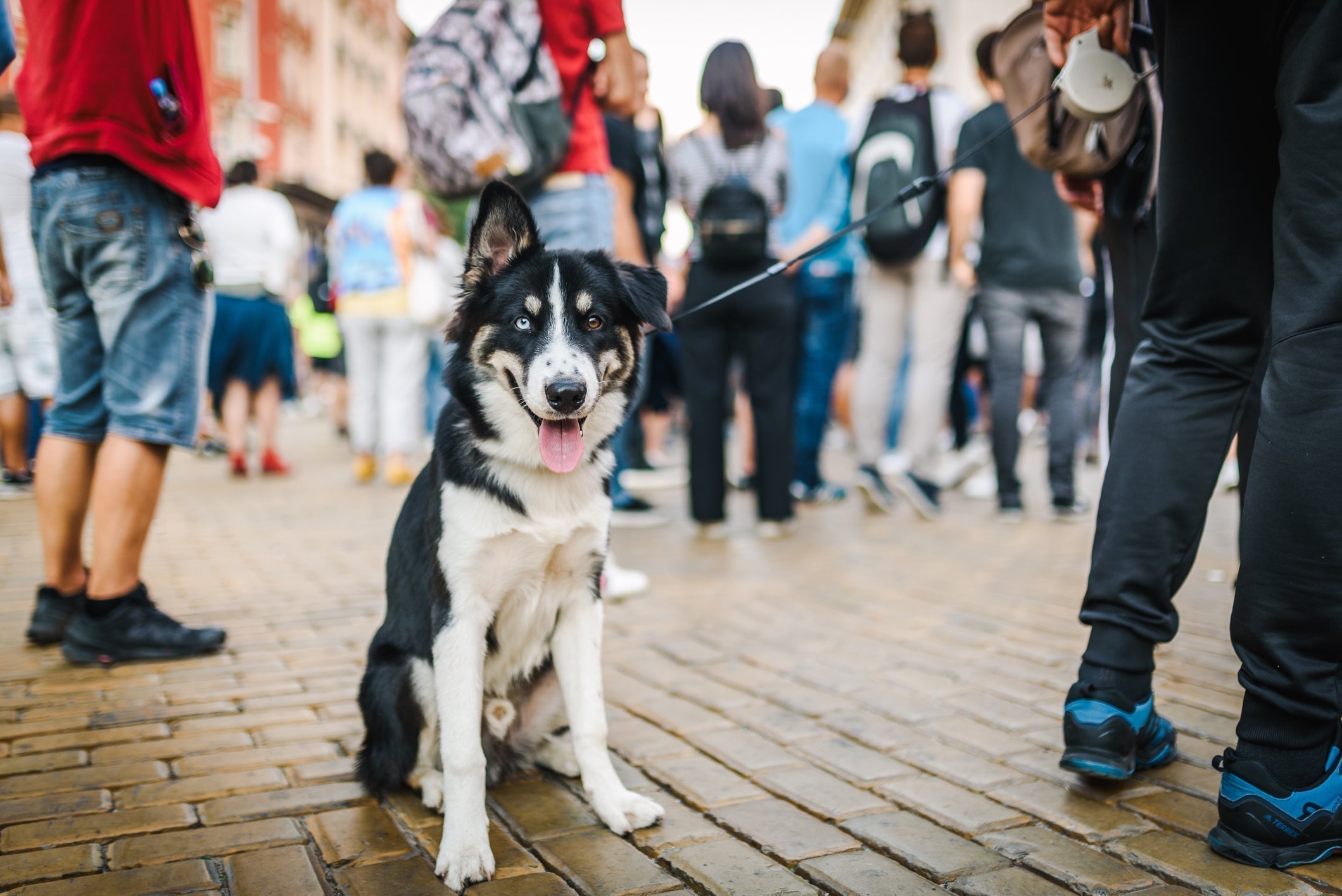
Because a happy belly = a happy pup.
If your dog’s been acting out, feeling sluggish, or just seems off lately, the culprit might be hiding in their bowl. Just like in humans, a dog’s diet doesn’t just impact their body — it also influences their mood, energy, and behavior.
At Puptown Chefs, we’ve seen firsthand how fresh, balanced nutrition can completely transform a dog’s day-to-day vibe. So let’s dig into how what you feed your dog affects the way they feel, behave, and bond with you.
🧠 The Gut-Brain Connection (Yes, Dogs Have One Too!)
Your dog’s gut is often referred to as their “second brain.” That’s because the gut produces around 90% of serotonin, the "feel-good" hormone responsible for regulating mood, anxiety, and emotional well-being.
🔍 According to a 2020 review in Frontiers in Neuroscience, disruptions in the gut microbiome (the mix of good and bad bacteria) can lead to anxiety-like behaviors, aggression, and stress sensitivity in dogs.
➡️ Processed kibble and poor-quality ingredients can lead to inflammation and gut imbalance, while fresh, whole foods promote a healthy gut and balanced mood.
🍗 Protein Deficiency = Bad Behavior
Dogs need high-quality animal protein to thrive. Protein fuels brain function, muscle repair, and energy levels. If your dog isn’t getting enough — or the right kind — they may show signs of:
-
Irritability or aggression
-
Low energy or depression
-
Compulsive behaviors (excessive licking, pacing)
📚 A 2000 study published in Physiology & Behavior found that low-protein diets can increase territorial aggression in dogs. On the flip side, the right protein balance helps stabilize mood and keeps your pup feeling chill.
✅ Puptown Chefs meals are packed with lean, fresh proteins like chicken, beef, or turkey — designed to support both body and behavior.
🍬 Blood Sugar Spikes = Mood Swings
Excess simple carbs and sugars (often hidden in commercial dog food as fillers like corn, wheat, or soy) can cause blood sugar spikes and crashes — just like in humans.
That can lead to:
-
Hyperactivity followed by fatigue
-
Poor focus or trainability
-
General moodiness or restlessness
🐶 Your dog might act “zoomy” one moment and crash the next — not ideal for training, bonding, or consistent behavior.
➡️ A diet balanced with whole proteins, complex carbs, and healthy fats helps maintain steady energy and mood throughout the day.
🧂 Additives, Artificial Colors & Preservatives = Behavioral Red Flags
Artificial additives and synthetic preservatives like BHA, BHT, and ethoxyquin have been linked to hyperactivity, anxiety, and irritability in dogs.
According to the Association for Truth in Pet Food, many commercial pet foods contain these additives despite studies showing potential long-term health and behavioral risks.
🚫 If your dog’s food includes ingredients you can’t pronounce, their mood may be paying the price.
✅ Puptown Chefs uses no preservatives, no fillers, and no artificial junk — just real, whole-food ingredients that your dog’s body and brain can actually use.
🥦 Nutritional Deficiencies = Emotional Imbalances
Certain vitamins and minerals are key to emotional and behavioral regulation in dogs:
-
Vitamin B1 (Thiamine): Supports nervous system function
-
Omega-3 fatty acids (like DHA): Help reduce anxiety and support cognitive health
-
Magnesium & Zinc: Linked to emotional stability and lowered aggression
🐾 A 2016 study in Veterinary Research Communications found that dogs with behavioral disorders often have lower levels of magnesium and zinc in their blood.
If your pup’s kibble is nutrient-poor or overly processed, they could be missing these essential nutrients.
✅ At Puptown Chefs, we balance every meal with natural sources of essential vitamins — including leafy greens, fish oil, and whole grains.
❤️ Feeding Fresh = Feeding Confidence
When your dog feels good inside, it shows on the outside — in their behavior, training response, and emotional connection with you.
We’ve heard from countless customers who switched to Puptown Chefs and noticed:
-
Calmer behavior during walks
-
Less anxiety when left alone
-
Better focus in training
-
More balanced energy throughout the day
Fresh food doesn’t just nourish their body — it nourishes their personality.
🐾 Final Woof: Food Affects Feelings
A dog’s behavior is never “just how they are.” More often than not, their diet plays a major role in how they act, react, and feel.
Feeding your pup fresh, balanced meals made with love and purpose can help support a more joyful, calm, and focused life.
Ready to give it a try?
Check out our Bundles Trial Pack and start feeding your pup food that fuels good vibes and good health.
📚 Sources:
-
Frontiers in Neuroscience (2020): Gut-Brain Axis in Companion Animals
-
Physiology & Behavior (2000): Protein and Aggression in Dogs
-
Association for Truth in Pet Food (2021)
-
Veterinary Research Communications (2016): Mineral Levels and Behavior in Dogs
-
PetMD, VCA Hospitals, Merck Vet Manual
Share:
10 Toxic Foods Dogs Should Never Eat (and Healthy Alternatives)
How a Fresh Diet Can Improve Your Dog’s Digestion, Coat, and Energy Levels